Blog Details
Home Blog Details

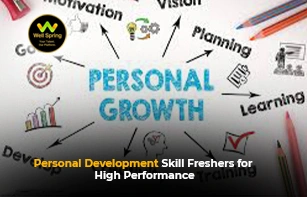
Finding the right job requires more than sending multiple applications every day. Successful candidates need proper planning, discipline, and effective use of their time. Developing strong Productivity Skills helps job seekers organize their career activities, improve focus, and achieve better results.
This guide explains practical Time Management for Job Seekers strategies, effective Job Search Planning methods, and Daily Time Management techniques that improve Career Productivity. Whether you are a student, fresher, or experienced professional, these strategies will help you build better habits, improve employability, and move closer to your career goals.
Time Management for Job Seekers means organizing job search activities such as applying for jobs, improving skills, preparing for interviews, and networking through a structured plan.
Job seekers can improve results by:
Strong Productivity Skills help candidates stay focused, reduce stress, and increase their chances of finding suitable career opportunities.
Productivity Skills help job seekers complete career tasks more efficiently.
Time Management for Job Seekers creates better focus and consistency.
Job Search Planning helps candidates follow a clear career strategy.
Daily Time Management improves discipline and reduces wasted time.
Career Productivity supports long-term professional growth.
Skill development and practical experience improve employability.
Organized candidates perform better during interviews and recruitment processes.
Consistent effort creates better career opportunities.
Searching for a job can be challenging, especially for students and fresh graduates entering a competitive employment market. Many candidates spend several hours searching for opportunities, applying for positions, and preparing resumes, yet they may not see the expected results.
The reason is often not a lack of effort but a lack of proper planning.
A successful job search requires more than submitting applications. Candidates need to improve their skills, build professional networks, prepare for interviews, and continuously learn according to industry requirements.
This is where Productivity Skills become important. Effective Time Management for Job Seekers helps candidates organize their daily activities, maintain consistency, and focus on actions that create career growth.
For example, a fresher who spends two hours randomly browsing job websites may achieve less than someone who spends one focused hour applying for suitable roles, one hour learning industry skills, and another hour preparing for interviews.
At Well Spring Talent Solutions in Trichy, Tamil Nadu, students and job seekers receive career guidance, skill development training, internship opportunities, and placement preparation support to improve workplace readiness.
Job searching is a process that requires patience, strategy, and continuous improvement. Without proper time management, candidates may experience:
Effective time management helps job seekers:
1. Maintain Consistent Job Applications
A structured routine ensures candidates regularly search and apply for relevant opportunities instead of applying randomly.
2. Improve Professional Skills
The job market changes continuously. Spending time learning technical skills, communication skills, and industry knowledge improves employability.
3. Prepare Better for Interviews
Regular interview practice improves confidence and helps candidates answer questions effectively.
4. Reduce Career Stress
A clear plan creates direction and prevents confusion during the job search journey.
Productivity Skills are abilities that help individuals complete tasks effectively while managing their time and resources efficiently.
For job seekers, important productivity skills include:
Time management
Goal setting
Prioritization
Organization
Self-discipline
Focus management
Planning ability
Decision-making skills
These skills are valuable not only during job searching but also throughout professional life.
Employers prefer candidates who can manage responsibilities, complete tasks on time, and adapt to workplace expectations.
A planned schedule helps candidates divide their time between different career activities.
A productive daily schedule may include:
Morning
Afternoon
Evening
A structured routine improves Daily Time Management and prevents wasted effort.
Large career goals can feel overwhelming. Breaking them into smaller daily targets creates steady progress.
Examples:
Small achievements build confidence and improve Career Productivity over time.
Not every activity creates the same result. Successful job seekers focus on high-value tasks first.
High Priority Tasks
Medium Priority Tasks
Low Priority Tasks
Prioritization helps candidates use their time more effectively.
Many job seekers forget application details because they do not maintain proper records.
A simple tracking system should include:
|
Information |
Purpose |
|
Company name |
Remember applications |
|
Job role |
Track career interests |
|
Application date |
Monitor progress |
|
Interview status |
Prepare next steps |
|
Follow-up date |
Avoid missed opportunities |
A job tracker improves organization and makes Job Search Planning more effective.
A successful Job Search Planning process should include the following steps:
Before applying, identify:
Clear goals help candidates avoid random applications.
A resume should clearly showcase:
A targeted resume improves the chances of getting interview opportunities.
Modern employers look for candidates who can contribute from the beginning.
Focus on improving:
Practical learning improves confidence and career readiness.
Networking can create valuable career opportunities.
Connect with:
Professional relationships can provide guidance, referrals, and career insights.
Evaluate:
Regular reviews help improve your strategy.
A structured improvement plan helps job seekers develop better habits, improve skills, and create consistent progress. Instead of searching randomly, candidates can follow a focused 30-day strategy.
During the first week, focus on preparing yourself for better opportunities.
Actions:
Goal: Create a strong foundation for your job search journey.
Employers increasingly focus on candidates who demonstrate practical abilities.
Focus on:
For example, a graduate applying for technology roles can improve programming skills, build projects, and practice problem-solving exercises.
Goal: Become more job-ready and confident.
After building your foundation, focus on targeted applications.
Actions:
Avoid sending the same resume to every company. Quality applications usually create better results.
Goal: Increase meaningful career opportunities.
The final week focuses on analyzing progress.
Review:
Use this information to improve your future strategy.
Goal: Build a continuous career improvement habit.
Technology can improve Daily Time Management and make job searching more organized.
|
Purpose |
Useful Tools |
|
Task Management |
Notion, Trello, Microsoft To Do |
|
Schedule Planning |
Google Calendar |
|
Application Tracking |
Google Sheets, Excel |
|
Resume Creation |
Canva, Resume builders |
|
Professional Networking |
|
|
Skill Learning |
Online learning platforms |
Using simple productivity tools helps candidates track progress and manage career activities effectively.
Many candidates struggle not because they lack ability, but because they do not manage their time properly.
|
Common Mistake |
Better Solution |
|
Applying randomly |
Create a targeted job search strategy |
|
Spending too much time searching |
Set fixed job search hours |
|
Ignoring skill development |
Learn new skills regularly |
|
Not tracking applications |
Maintain an application record |
|
Delaying interview preparation |
Practice consistently |
|
Focusing only on job portals |
Build networks and improve skills |
Avoiding these mistakes helps candidates improve their Career Productivity.
Developing strong productivity habits creates long-term advantages.
Organized candidates can identify suitable opportunities and apply effectively.
Consistent learning improves professional knowledge and workplace readiness.
Preparation reduces interview anxiety and improves communication.
A clear plan prevents confusion and creates better control over career activities.
Productivity skills developed during job searching continue to support professional success after employment.
Employers value candidates who demonstrate professional habits.
Important workplace qualities include:
Discipline
Responsibility
Organization
Time management
Adaptability
Goal-oriented thinking
A candidate who manages time effectively during the job search period is more likely to perform well in professional environments.
The employment landscape is changing because of technology, automation, and evolving workplace expectations.
Many companies now use AI-powered recruitment systems to screen resumes, evaluate applications, and identify suitable candidates.
Job seekers should learn how to:
Digital knowledge is becoming valuable across industries.
Important skills include:
Even non-technical professionals benefit from improving digital literacy.
Companies are increasingly focusing on demonstrated abilities rather than only academic qualifications.
Employers evaluate:
This makes continuous learning essential for job seekers.
The World Economic Forum highlights that skills such as analytical thinking, resilience, flexibility, and lifelong learning are important capabilities in future workplaces.
Candidates who continuously improve themselves have better chances of career growth.
Internships are becoming an important pathway between education and employment.
Practical experience helps students:
Well Spring Talent Solutions helps students bridge this gap through industry-focused training and internship opportunities.
Current employment trends show why skill development and productivity are important:
LinkedIn workplace research highlights that companies increasingly focus on skills-based hiring and practical capabilities.
NASSCOM emphasizes the growing need for digital skills as industries adopt emerging technologies.
McKinsey research shows that automation and digital transformation are changing job roles and increasing demand for adaptable professionals.
Deloitte workplace studies highlight the importance of continuous learning and workforce adaptability.
These trends show that job seekers must combine education with practical skills, effective planning, and career-focused learning.
|
Traditional Job Search |
Planned Job Search |
|
Random applications |
Targeted applications |
|
No tracking system |
Application tracking |
|
Limited preparation |
Regular interview practice |
|
Focuses only on job openings |
Includes skill development |
|
Creates stress and confusion |
Provides direction and confidence |
A planned approach improves efficiency and increases career success chances.
Well Spring Talent Solutions in Trichy, Tamil Nadu, helps students and job seekers develop the skills required for modern career opportunities.
The academy focuses on practical career preparation through:
Industry-oriented training
Internship opportunities
Hands-on learning
Expert mentoring
Career guidance
Resume building
Interview preparation
Skill development programmes
Real-world projects
Placement assistance
The goal is to help learners become confident, skilled, and workplace-ready professionals.
Through structured training and practical exposure, students can improve their productivity, communication abilities, and career readiness.
Start each day with clear career goals.
Focus on relevant job applications instead of applying everywhere.
Spend regular time improving industry skills.
Track your applications and career progress.
Practice interviews before attending recruitment processes.
Maintain discipline and a positive approach throughout your job search.
How can job seekers improve time management?
Job seekers can improve time management by creating a structured daily routine, setting clear goals, tracking applications, and dedicating time for skill development. Instead of spending the entire day searching randomly, candidates should focus on specific activities such as applying for suitable roles, improving resumes, learning new skills, and preparing for interviews.
Why are productivity skills important for career growth?
Productivity skills help individuals manage responsibilities effectively and complete tasks efficiently. For job seekers, these skills improve organization, consistency, and focus. After employment, productivity skills help professionals manage workplace responsibilities, meet deadlines, and contribute effectively to their organizations.
What should be included in job search planning?
Effective Job Search Planning should include defining career goals, preparing a professional resume, identifying suitable companies, developing required skills, networking with professionals, tracking applications, and preparing for interviews. A planned approach helps candidates save time and improve their chances of finding suitable opportunities.
How many hours should a job seeker spend searching for jobs?
There is no fixed number of hours required, but focused and productive effort is more important than spending unlimited time. A few dedicated hours daily for applications, skill development, networking, and interview preparation can create better results than unplanned searching throughout the day.
How can students improve career productivity?
Students can improve Career Productivity by developing effective routines, managing their time properly, learning industry skills, completing projects, participating in internships, and setting clear career goals. Building these habits early helps students become more confident and prepared for professional opportunities.
Students and job seekers in Trichy, Tamil Nadu, and across South India are increasingly focusing on career preparation, skill development, and employment readiness.
Well Spring Talent Solutions supports learners through:
Career planning programmes
Skill development training
Internship support
Resume guidance
Interview coaching
Professional mentoring
Placement preparation
Industry-focused learning helps students improve confidence and develop the practical abilities required for modern workplaces.
What are Productivity Skills?
Productivity Skills are abilities that help individuals organize tasks, manage time effectively, improve focus, and achieve better results.
Why is time management important for job seekers?
Time management helps candidates organize job applications, skill development, networking, and interview preparation in a structured way.
Who should improve career productivity?
Students, fresh graduates, and professionals who want better career growth should develop productivity habits.
How does job search planning improve results?
Job Search Planning provides direction by helping candidates identify goals, organize activities, and measure progress.
Is improving productivity worth it for career success?
Yes. Better productivity helps candidates use their time effectively, develop skills faster, and create stronger career opportunities.
Productivity Skills improve job search efficiency and career growth.
Time Management for Job Seekers helps candidates stay focused and organized.
Job Search Planning creates a clear path toward employment.
Daily Time Management improves consistency and discipline.
Skill development increases confidence and employability.
Practical experience helps candidates stand out.
Continuous improvement supports long-term professional success.
Finding the right job requires more than submitting applications. Success depends on planning, consistency, skill development, and effective use of time.
By improving Productivity Skills, practicing Time Management for Job Seekers, and following a structured Job Search Planning approach, candidates can increase their confidence and improve their career opportunities.
Strong Daily Time Management habits not only help during job searching but also create professional habits that support long-term success.
Well Spring Talent Solutions in Trichy helps students and job seekers prepare for successful careers through industry-focused training, internships, practical learning, career guidance, and placement support.
The candidates who manage their time, improve their skills, and continue learning will be better prepared for the future workplace.
24 Sep 2026
23 Sep 2026
23 Sep 2026
23 Sep 2026
22 Sep 2026
Time management helps job seekers organize their daily activities, maintain consistency, and focus on important career tasks. It allows candidates to balance applications, skill development, networking, and interview preparation effectively. A structured approach reduces stress and improves productivity throughout the job search process.
Important productivity skills include planning, prioritization, time management, organization, self-discipline, communication, and goal setting. These abilities help candidates manage their career activities efficiently and also prepare them for professional responsibilities after employment.
An effective routine should include time for job applications, resume improvement, skill learning, networking, and interview preparation. Setting daily goals and reviewing weekly progress helps candidates stay focused and improve their strategy.
Yes. Productivity skills remain valuable throughout a professional career. Employees who manage their time effectively can complete tasks efficiently, meet deadlines, collaborate better with teams, and improve workplace performance.
Internships provide practical workplace experience and help students understand industry expectations. They improve technical skills, communication abilities, confidence, and professional knowledge, making candidates more attractive to employers.
Get internship updates, IT training news, placement opportunities, and career tips directly to your inbox.
Join our WhatsApp community for internship updates, IT courses, placement support, and latest job opportunities.
Join Now