Introduction
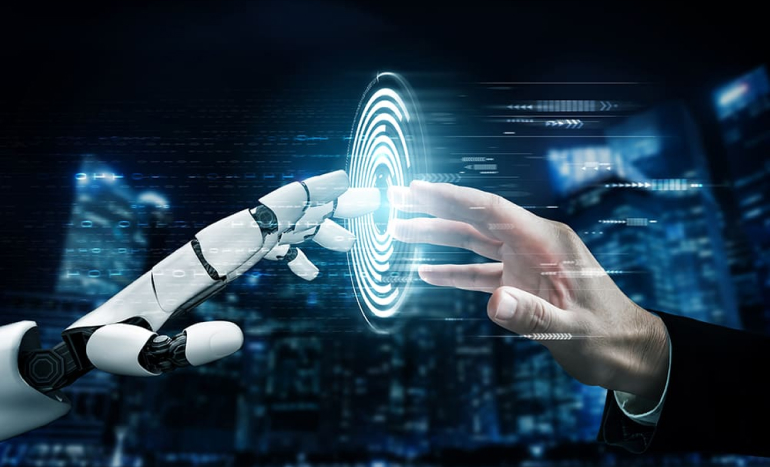
Artificial Intelligence (AI) is transforming industries faster than anyone expected, reshaping how companies operate and what skills they expect from employees. Understanding how AI is changing today’s job requirements is essential for students and professionals who want to stay relevant in a fast-evolving job market. As organisations adopt automation, machine learning, and intelligent systems, the demand for traditional roles is shifting toward AI-driven skills, digital awareness, and advanced problem-solving abilities.
AI does not simply replace jobs it creates new opportunities for those who are prepared. Many emerging roles require a combination of technical knowledge, critical thinking, creativity, and adaptability. Students must understand the updated job expectations, the skills companies look for, and the industries heavily influenced by AI. This awareness helps them prepare early, choose the right courses, and become future-ready professionals. Below is a detailed guide on how AI is transforming job roles and the new requirements students must equip themselves with.
1. AI Is Increasing the Demand for Digital and Technical Skills
As AI tools become more common, companies require employees who understand digital technologies.
· Students must learn digital skills to stay competitive in AI-driven workplaces.
· Basic AI awareness helps individuals work smoothly with automated tools.
· Technical skills such as coding, data analysis, and cloud computing are becoming essential.
· Understanding AI tools improves productivity and workflow efficiency.
· Employees who can work with digital systems have better career growth opportunities.
This shows the growing importance of digital skill development for AI-influenced job roles.
2. AI Is Transforming Traditional Job Roles Across Industries
Many job roles now require updated skills because AI handles routine tasks.
· Professionals must focus on tasks that require creativity, judgement, and human insight.
· AI takes over repetitive work, allowing employees to handle more strategic responsibilities.
· Job descriptions today include AI-powered tools and automated systems.
· Industries such as marketing, finance, healthcare, and HR have redefined their roles with AI.
· Students must learn how their chosen career fields are evolving due to automation.
This highlights the need to understand AI’s impact on changing job responsibilities.
3. AI Is Increasing the Demand for Analytical and Problem-Solving Skills
Companies need individuals who can think critically and solve complex problems.
· AI systems generate large amounts of data that require human interpretation.
· Problem-solving skills help employees make smarter decisions using AI insights.
· Strong analytical skills allow individuals to understand patterns, trends, and predictions.
· Companies value employees who can combine AI data with creative reasoning.
· Critical thinking is now one of the top requirements for AI-era job roles.
This demonstrates the importance of analytical thinking for AI-powered workplaces.
4. AI Is Encouraging Companies to Hire Candidates with Adaptability
The ability to adapt has become essential in the AI-driven job market.
· Students must learn to accept new tools and emerging technologies quickly.
· Adaptable employees can switch roles or adjust to new responsibilities without hesitation.
· AI-influenced industries experience frequent updates and technological advancements.
· Flexibility helps employees stay relevant even when job roles evolve.
· Continuous learning is necessary for adapting to future AI-based changes.
This highlights the value of adaptability skills in modern job environments.
5. AI Is Increasing the Need for Strong Communication Skills
Even in an automated world, communication remains a core human skill.
· Professionals must communicate insights generated by AI to teams and clients.
· Strong communication helps employees explain technical concepts clearly.
· AI tools support work, but human conversations drive decision-making.
· Collaboration with AI-based systems still requires teamwork and coordination.
· Communication skills help bridge the gap between technology and human understanding.
This emphasises communication excellence as an essential AI-era skill.
6. AI Is Creating New Career Opportunities in Technology Fields
AI is not only changing job roles it is creating entirely new ones.
· Students can explore careers such as AI engineering, machine learning development, and data science.
· AI-related roles are among the highest-paying jobs across industries today.
· New roles such as AI trainers, automation specialists, and prompt engineers are emerging.
· Companies require professionals who can develop, manage, and supervise AI systems.
· AI-focused careers offer long-term growth and global opportunities.
This shows the increasing demand for AI-related job roles and emerging tech careers.
7. AI Is Changing Expectations During Interviews and Hiring Processes
Companies now evaluate candidates based on AI-relevant skills and mindset.
· Recruiters look for candidates who show interest in modern technologies.
· Students with certifications in AI, data analytics, or digital tools have higher chances of selection.
· Companies value individuals who demonstrate curiosity, problem-solving, and adaptability.
· AI screening tools evaluate resumes based on keywords and relevant skills.
· Interviewers expect candidates to understand how AI affects their career fields.
This highlights how hiring requirements are shifting in the AI era.
8. AI Is Improving Workplace Efficiency but Increasing Competition
AI makes work faster but requires employees to stay competitive.
· Students must keep learning to match the speed of technological progress.
· Those who stay updated with AI tools gain an advantage over others.
· Companies reward employees who contribute to efficiency using AI solutions.
· Continuous learning reduces the risk of job displacement due to automation.
· Competitive skills help individuals stay valuable in AI-driven industries.
This demonstrates the importance of staying competitive through continuous upskilling.
Why Understanding AI Job Requirements Matters Today
Being aware of AI’s impact helps students:
· Stay prepared for industry shifts and job changes.
· Choose future-proof skills that match career goals.
· Improve employability in AI-powered workplaces.
· Adapt quickly to new tools and digital environments.
· Build strong, stable, and future-ready career plans.
Understanding AI-driven changes is essential for staying ahead in today’s fast-paced job market.
Conclusion
AI is transforming job requirements across every industry, creating new opportunities for those who stay updated and actively develop essential modern skills. From technical abilities to communication, adaptability, analytical thinking, and digital literacy, students must prepare themselves for the AI-shaped future of work. Learning how AI influences job roles today helps individuals make smarter career choices and grow confidently in a competitive environment.
Well Spring Talent Solutions supports students through AI Awareness Workshops, Future Skill Development Programs, and Career Readiness Training that help them understand AI-driven job expectations and gain the skills required for long-term success. Their expert guidance ensures students are fully prepared to face the evolving job market.
Explore our complete range of AI-focused career development programs on our website.
Visit our website for more information.