Blog Details
Home Blog Details
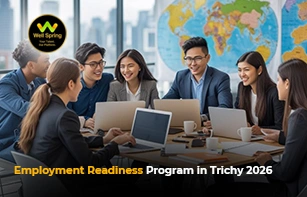
An Employment Readiness Program represents a transformative initiative designed to bridge the critical gap between education and employment. Furthermore, these programs equip individuals with essential competencies needed in today's competitive job market. Therefore, organizations increasingly recognize that structured preparation directly impacts placement success rates and long-term career advancement.
Most importantly, these programs focus on developing both technical and interpersonal capabilities. Meanwhile, employers demand candidates who demonstrate readiness beyond academic qualifications. Additionally, Career Preparation Activities have become non-negotiable in modern workforce development strategies.
A Workforce Development Program creates systematic pathways connecting job seekers with employers. Specifically, these initiatives address skills gaps that typically prevent individuals from accessing quality employment opportunities. Moreover, comprehensive workforce development encompasses assessment, training, and placement services working in tandem.
Subsequently, effective programs analyze labor market demands to align curriculum with industry needs. Consequently, participants emerge with marketable credentials and confidence. In addition, Job Readiness Training modules teach practical strategies for successful job seeking and retention.
Soft Skills Development addresses interpersonal and relationship skills that employers prioritize intensely. Therefore, these competencies communication, teamwork, problem-solving, and emotional intelligence directly influence employee performance. Additionally, research shows that Career Success Systems incorporating soft skills training achieve 40% higher retention rates than traditional programs.
Furthermore, workplace dynamics demand professionals who navigate conflict diplomatically and collaborate effectively. Meanwhile, Professional Workplace Behavior modules teach etiquette, professionalism, and organizational culture navigation. Consequently, program graduates advance faster in their careers.
The Hard Skill Coverage Ratio (HSCR) measures the comprehensiveness of technical training within employment programs. Specifically, HSCR evaluates alignment between required skills and curriculum delivery. Moreover, Competency-Based Training ensures participants achieve measurable proficiency standards before program completion.
Subsequently, employers verify competencies through skill assessments and certifications. In addition, Vocational Rehabilitation programs serve individuals with disabilities, ensuring equitable access to technical skill development. Therefore, comprehensive programs maintain high HSCR metrics to guarantee marketability.
Citation: Kurek et al., 2024; Swinburne Figshare, 2024
Resume Writing & CV Optimization remains fundamental to employment readiness success. Therefore, professionals must communicate qualifications compellingly on paper. Moreover, tailored resumes addressing specific job requirements increase interview callback rates by 25-35%.
Furthermore, modern resume strategies include keyword optimization for applicant tracking systems. Consequently, formatting, clarity, and quantifiable achievements become critical differentiators. Additionally, Employability Skills Training programs teach candidates to present authentic value propositions.
Interview Coaching transforms nervous candidates into confident communicators. Therefore, systematic preparation reduces anxiety and improves performance. Moreover, Mock Interviews provide realistic practice environments where participants receive constructive feedback from trained professionals.
Subsequently, candidates learn to answer behavioral questions using the STAR method. In addition, professionals practice handling challenging scenarios gracefully. Consequently, well-prepared candidates significantly outperform unprepared competitors. Furthermore, programs incorporating video-recorded mock interviews demonstrate 60% improvement in performance metrics.
School-to-Work Transition Services bridge educational experiences with professional environments seamlessly. Therefore, young professionals transitioning from academia require specialized guidance. Moreover, these services connect educational institutions with employers, creating experiential learning opportunities.
Furthermore, internship placements, apprenticeships, and work-study programs facilitate smoother transitions. Additionally, mentorship components pair entry-level professionals with experienced industry leaders. Consequently, participants develop professional networks while gaining practical experience. Access opportunities through wellspring talent internships for specialized internship placements.
Labor Market Integration ensures program participants secure sustainable employment. Therefore, data-driven approaches analyze regional job trends and skills demand. Moreover, Job-Candidate Matching algorithms connect qualified individuals with appropriate opportunities strategically.
Subsequently, employment readiness programs maintain employer partnerships ensuring placements. In addition, continuous labor market analysis informs curriculum adjustments. Therefore, comprehensive job readiness services available at well spring talent programs deliver integrated placement support.
Citation: Kurek et al., 2024
Employability Skills Training encompasses competencies transferable across industries and roles. Therefore, employers consistently demand critical thinking, adaptability, and digital literacy. Moreover, comprehensive programs ensure participants master these universally valued competencies.
Furthermore, continuous professional development maintains career momentum long-term. Additionally, career advancement requires ongoing skill refinement and industry knowledge updates. Consequently, robust employment readiness extends beyond initial placement into lifelong career management. Explore career advancement resources at wellspring-talent
Employment Readiness Programs represent comprehensive investments in individual and organizational futures. Therefore, systematic preparation dramatically improves employment outcomes. Moreover, integrated approaches addressing soft skills, technical competencies, and job search strategies create competitive advantages.
Subsequently, participants emerge equipped with confidence, credentials, and professional networks. Furthermore, ongoing support through career transitions ensures sustained success. Consequently, whether beginning your career journey or advancing professionally, employment readiness programs provide essential frameworks for achievement. Start your transformation today your career success story awaits.

03 Jun 2026
03 Jun 2026

03 Jun 2026

03 Jun 2026
03 Jun 2026
It is a training program that prepares students with technical and soft skills for job placement.
Programs include communication, aptitude, interview skills, technical training, and workplace behavior.
College students, fresh graduates, and job seekers can enroll.
Typically 1–3 months depending on the course structure and depth.
Many programs offer placement support, but success depends on individual performance.
Get internship updates, IT training news, placement opportunities, and career tips directly to your inbox.
Join our WhatsApp community for internship updates, IT courses, placement support, and latest job opportunities.
Join Now